News
The pulse of real estate, market insights &
living in Portugal

Cheaper mortgage loans until 2028
According to the Public Finance Council, the 3-month Euribor rate is projected to decrease to 1.9% between 2026 and 2027, offering potential relief for families with mortgage loans indexed to this rate. This forecast suggests a favorable environment for borrowers in the coming years.

Record-breaking property prices
Portugal's real estate market continues to thrive, with bank appraisals reaching a new all-time high of €1,965 per square meter in August 2025, marking the 21st consecutive month of increases. This upward trend reflects sustained demand and investor confidence across the country. Notably, Greater Lisbon leads with appraisals at €2,991/m², while the Algarve follows at €2,681/m². These figures underscore Portugal's robust property market, attracting both domestic and international interest.
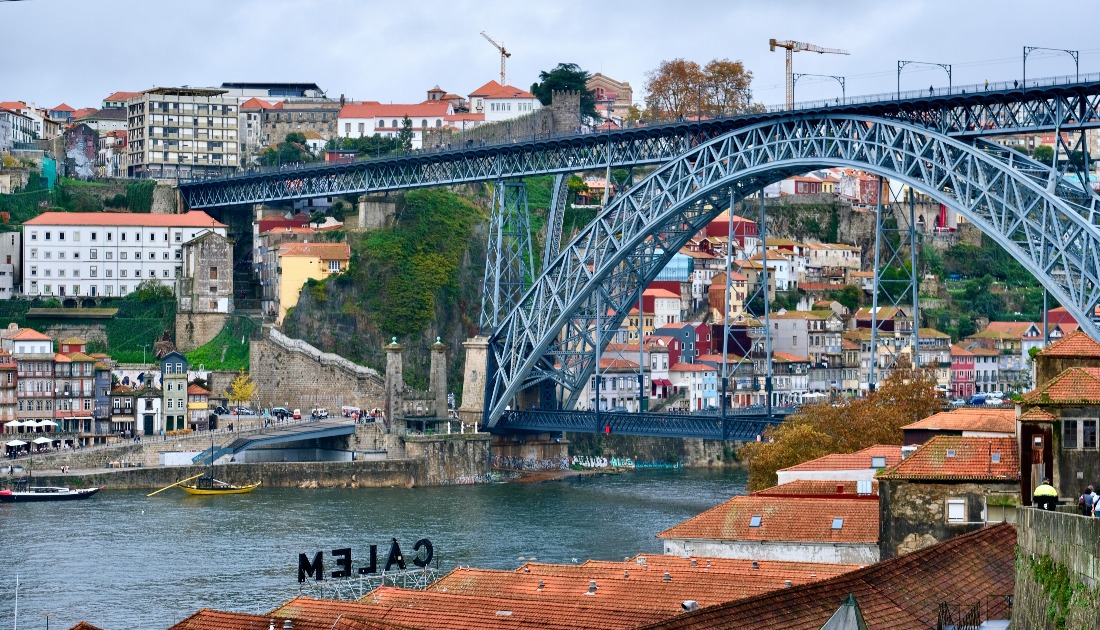
Tourism expected to reach 22% of GDP in Portugal
According to the World Travel & Tourism Council (WTTC), Portugal's tourism sector is projected to contribute €62.7 billion to the national economy in 2025, representing 21.5% of GDP. This marks a 37.9% increase compared to pre-pandemic levels in 2019. The sector is also expected to support 1.2 million jobs, a 17.3% rise from 2019 figures. Looking ahead, the WTTC forecasts that by 2035, tourism will account for 22.6% of GDP, with revenues reaching €74.6 billion and employment expanding to 1.4 million, highlighting the sector's significant and sustained impact on Portugal's economy.
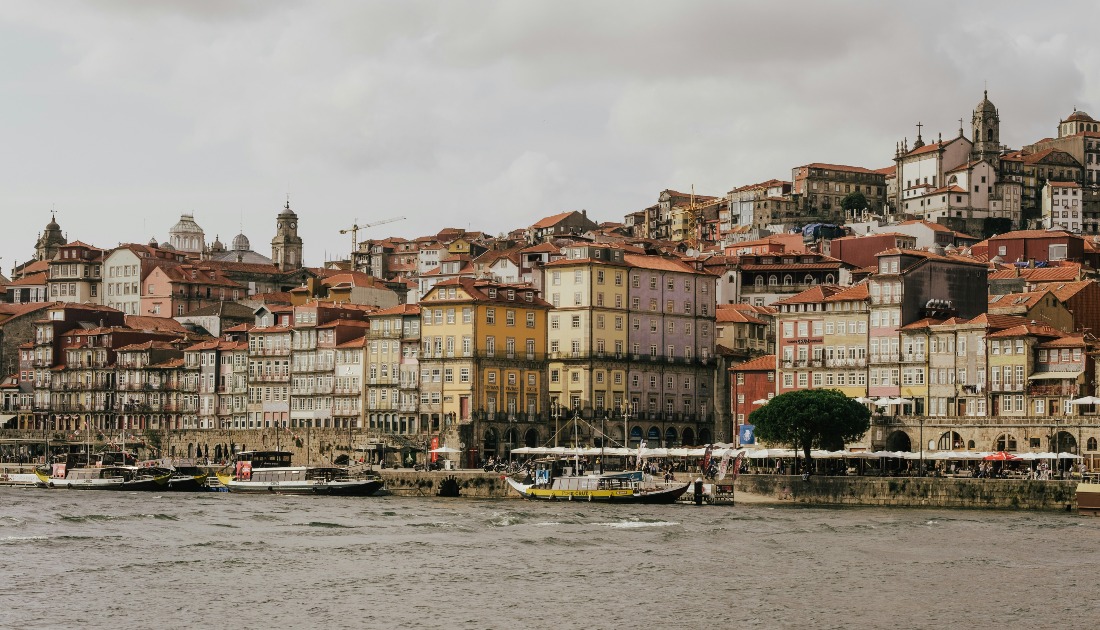
Property below €700 per m²: Portugal’s cheapest places to buy in 2025
ortugal offers affordable real estate options, with 19 municipalities boasting average property prices under €700 per m². Sabugal (Guarda) leads at €495/m², followed by Pampilhosa da Serra (Coimbra) at €512/m² and Góis (Coimbra) at €513/m². These areas provide excellent value for buyers seeking budget-friendly properties in tranquil, rural settings.
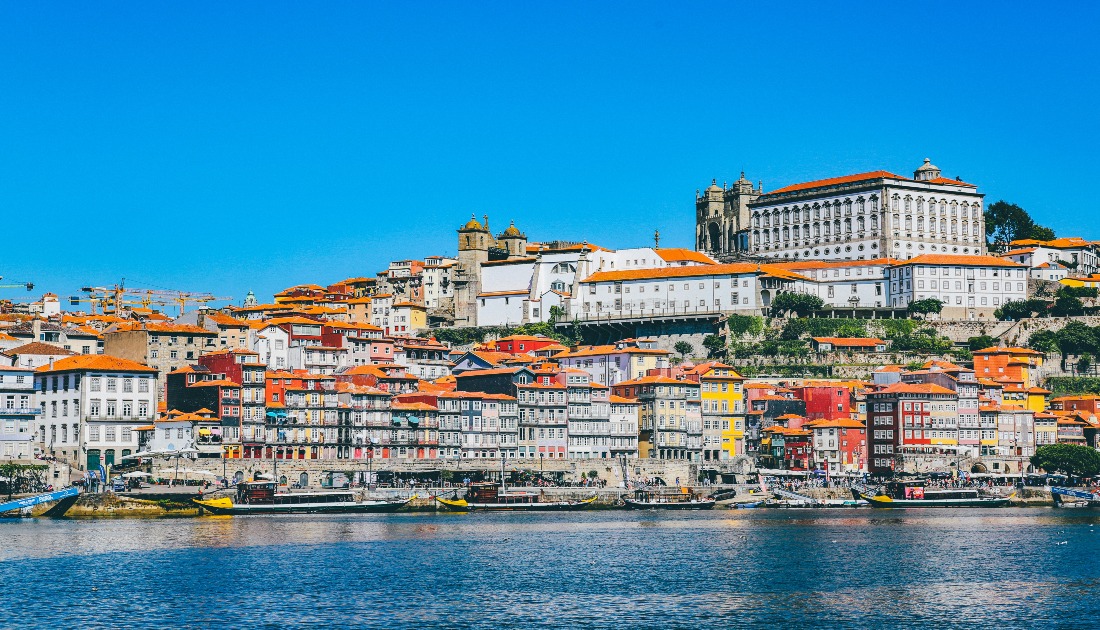
Home Prices Reach Record Highs
In the second quarter of 2025, home prices in Portugal experienced their highest growth ever, increasing by 17.2% year-over-year. This surge is attributed to supportive measures for young homebuyers, such as public guarantees on housing loans and exemptions from the IMT (real estate transfer tax), alongside the European Central Bank's easing of interest rates, which have facilitated access to bank credit.
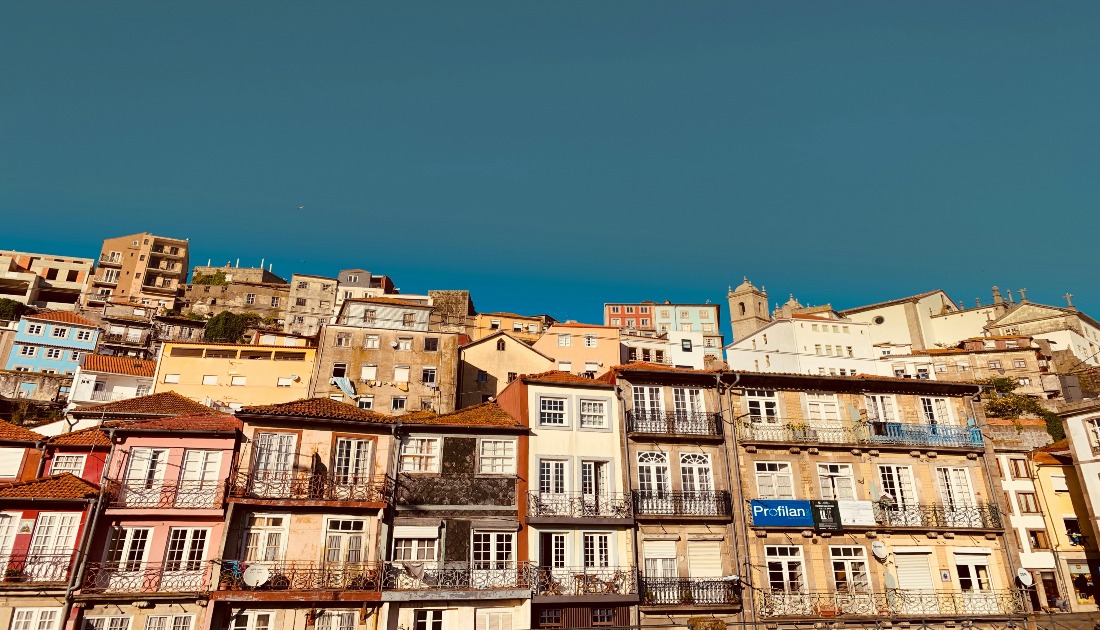
Which areas of Portugal are most popular with foreign buyers?
Foreign interest in Portuguese real estate remains strong, with Madeira Island (42%), Faro (36%), São Miguel Island (34%), and Viana do Castelo (30%) leading in international property searches. These regions are attracting buyers from countries like France, the United Kingdom, Germany, Switzerland, Spain, and the United States, highlighting Portugal's appeal to global investors.